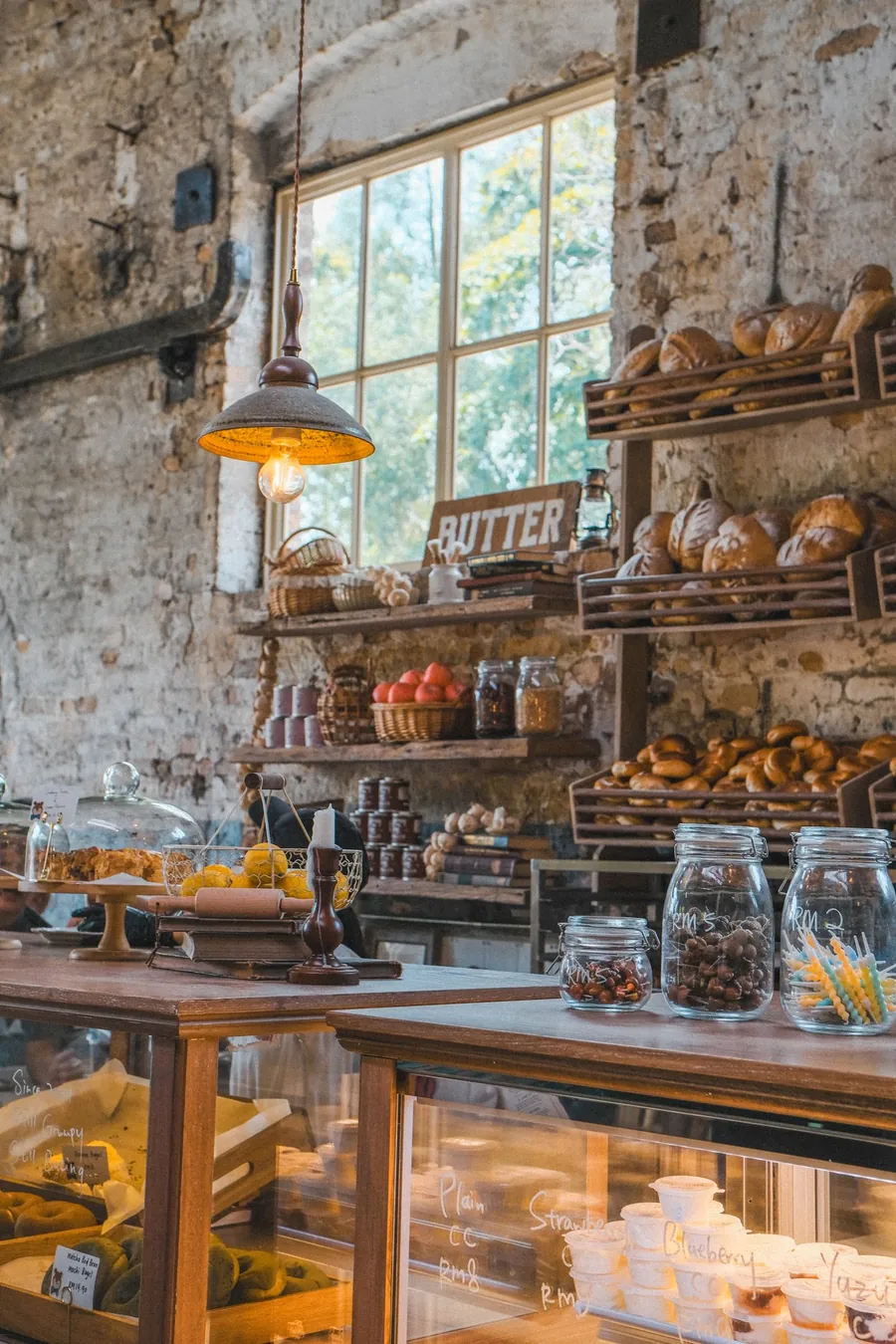
What "half-baked" actually means
A half-baked product is made completely at the factory — dough, filling, shape — baked part of the way, then frozen. You keep it frozen and finish it in your own oven: about 5 minutes of preparation and 15–20 minutes of baking. The crust, the colour and the aroma happen on your premises, not in a truck.
That is the difference from ready-made products that only get reheated. Your customer gets a byrek that has just come out of the oven, while you need no dough station, no baker on every shift and none of the hours that go with them.
Consistent quality on every shift
In a bakery or kitchen, quality often depends on who is working. Monday morning's byrek comes out different from Saturday night's. Half-baked products come from a standardised process: the same weight, the same amount of filling, the same degree of baking in every piece.
Your team's job shrinks to one step that never changes: oven, time, temperature. That matters most for hotels running a breakfast buffet, for restaurants with several service points, and for any business where the customer comes back expecting exactly what they had last time.
Less labour, less training
Byrek pastry needs experienced hands, time and workspace. A good baker is hard to find and expensive to keep, and when they are off, the whole day feels it.
With a half-baked product the craft stays in the factory. Any member of the team can run the oven after a short introduction. Your baker, if you have one, is freed for the items that make your business distinctive, and your kitchen needs less floor space and less equipment.
Better waste control
Frozen stock keeps until you need it. Instead of baking everything in the morning and hoping it sells, you bake smaller batches through the day, following the real rhythm of your customers.
The first result is less product left over at closing time. The second is a display that still smells of the oven at four in the afternoon. Both help your margin. For a step-by-step method, read our guide to bake-on-demand.
A wider menu without a bigger kitchen
A café or hotel can add cheese, spinach, meat or tuna byrek and tortillas without hiring anyone or buying new equipment. Same oven, same staff, four or five more products.
That makes testing cheap. Try a product for two weeks, see how it sells, keep it or drop it. Your range follows demand rather than the limits of your kitchen.
Who benefits most
Bakeries: keep the display full all day with fewer labour hours, and add byrek without taking anything away from their own production. The smell of fresh baking in the afternoon brings in the customer who usually walks past.
Hotels and restaurants: the breakfast buffet and the lunch menu get a hot product that needs no baker on shift. Quantity follows the number of guests that day, not a forecast from last week.
Supermarkets and caterers: baking at the point of sale or at the event venue gives a freshness packaged products cannot match. Large volumes, the same quality, no extra staff.
Food safety you can document
Business customers — hotel groups, supermarkets, catering companies — increasingly ask for evidence of how food is produced. With certified production behind you, the answer is ready.
Gerti Foods produces under ISO 22000, HACCP, IFS, BRC and Halal. Every batch is traceable from raw material to packaging. When you choose a supplier, ask for the certificates, not just the promises.
How to start
The best place to evaluate a half-baked product is your own oven, not a spec sheet. Request samples, bake them as instructed, note the time and temperature that give you the best result, and run them for a week under real conditions.
Then compare: hours of labour, product left over, what customers say. We are in Prizren, produce up to 800 byrek and 3,000 tortillas an hour, and supply businesses in Kosovo, Albania and Central Europe. Start with a sample.