Where the waste actually comes from
Most of the product thrown away at closing time is not the result of poor quality but of a decision made at six in the morning: how much to bake for the whole day. When everything is baked at once, the display looks great at eight and is half empty or stale by four.
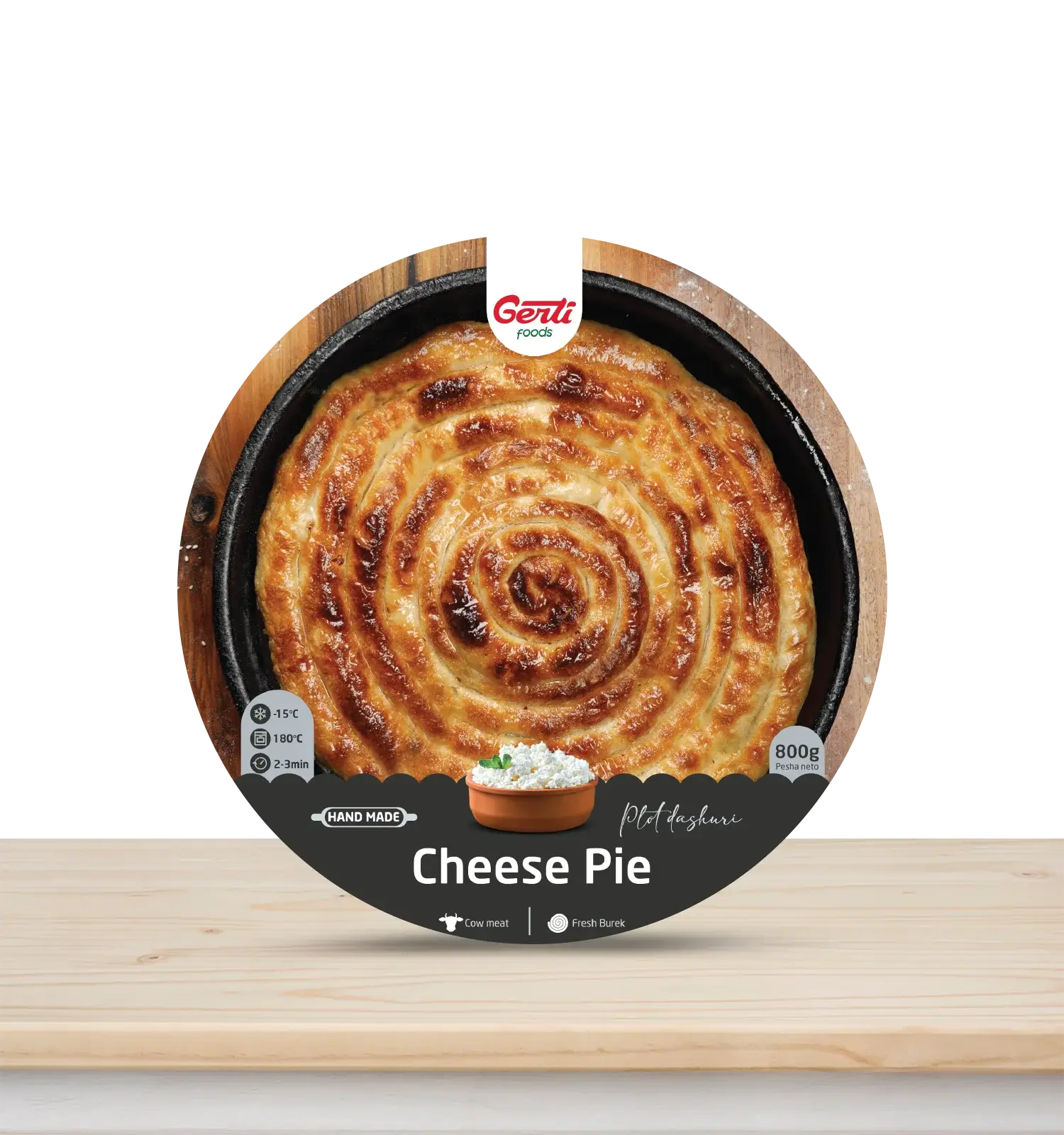
Bake-on-demand splits that one decision into several smaller ones through the day. Half-baked products make it possible, because stock stays frozen and any shift can pull from the oven only what it needs, in 15–20 minutes.
Step 1: Measure demand by the hour
For two or three weeks, note how many pieces of each product sell and at what time — a sheet of paper next to the till is enough. Note what is left at closing too.
Clear peaks will appear: Friday morning, the lunch break, the hour after school. So will the products that are left over every day in the same quantity. Those two things are all the baseline you need.
Step 2: Bake smaller batches, more often
Instead of one big bake in the morning, plan three or four smaller ones: before opening, before the lunch peak, mid-afternoon. The display stays full, the product is always warm, and the smell of the oven works for you all day.
With half-baked byrek and tortillas, a new bake means opening the freezer and switching on the oven. There is no dough to prepare and no baker needed on shift.
Step 3: Set three numbers for every product
The opening quantity: how many pieces are baked before the door opens. The refill point: when the display drops below this number, the next bake goes in. The last bake time: after this hour, nothing more is baked, whatever the display looks like.
Three numbers on a sheet stuck next to the oven. That way every shift makes the same decision, without asking the owner and without relying on the feeling of the moment.
Step 4: Use frozen stock as a reserve, not a warehouse
Frozen stock gives you the ability to react — a coach party walking in unannounced, a catering order for tomorrow — without pre-baking "just in case".
Size the frozen stock to your delivery rhythm, not to the fear of running out. A supplier with regular deliveries and known capacity makes that calculation much easier.
Step 5: Review every week
Every Monday, compare for each product: how many were baked, sold, left over. If the leftover is consistent, lower the opening quantity. If the display empties before the peak, raise the refill point.
Small adjustments are the ones that stick. After a few weeks you will have numbers that match your real business, not the average in some textbook.
What to expect
Product thrown away at closing drops noticeably, because the quantity decision is made closer to the moment of sale. Afternoon customers get warm product. Staff have a clear rule instead of a guess.
We will not promise you a percentage — every place is different. But the method is easy to test: two weeks of measuring, three numbers per product, one review a week.
Start with one product
Do not change your whole production at once. Pick the product that is left over most often, apply the method to that one only, and look at the result after two weeks.
If you want to try it with half-baked byrek or tortillas, request samples and test them in your own oven.